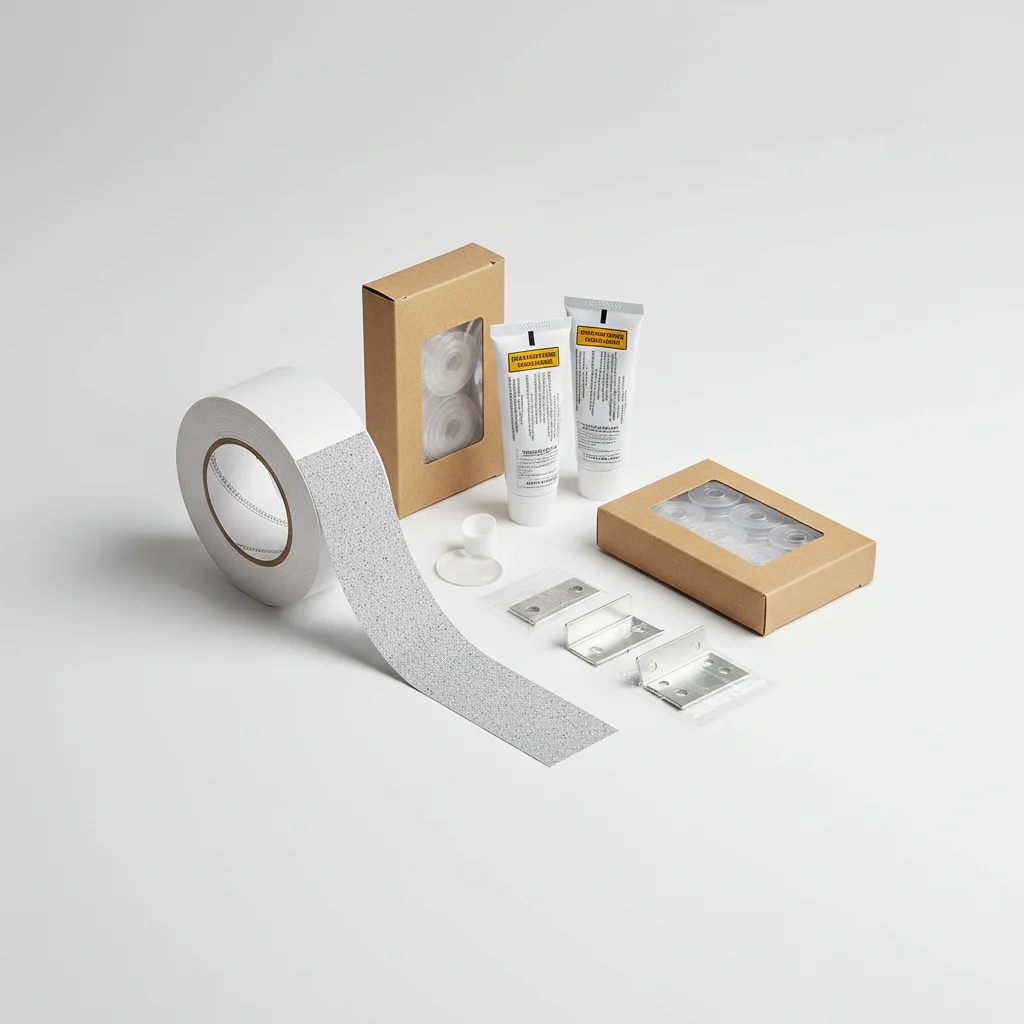
Projector screen adhesives can be safe for walls, provided you choose the right type and prepare the surface properly. Generally, temporary or removable adhesive strips and tapes are the safest options, as they are designed to minimize damage upon removal. Permanent adhesives, while strong, often lead to paint peeling or surface damage when removed.
Understanding Different Adhesive Types
When considering adhesives for your projector screen, it’s crucial to differentiate between temporary and permanent solutions. Temporary options, such as command strips or painter’s tape, offer a strong hold without leaving residue or damaging paint. They are ideal for renters or those who frequently rearrange their viewing setup. Permanent adhesives, like construction glues or strong double-sided tapes, provide a more secure, long-term mount but come with a higher risk of wall damage upon removal. Always check the product’s specifications for its intended use and removal instructions.
Surface Preparation for Optimal Adhesion
Proper surface preparation is key to both secure adhesion and minimizing wall damage. First, ensure the wall is clean, dry, and free of dust or grease. A light wipe with a damp cloth followed by thorough drying is usually sufficient. For painted walls, allow new paint to cure completely before applying any adhesive. Rough or textured surfaces may require stronger adhesives or alternative mounting methods, as adhesives tend to perform best on smooth, flat surfaces. Always test a small, inconspicuous area first to check for compatibility and potential damage.
Tips for Safe Removal of Adhesives
Removing projector screen adhesives safely requires patience and the right technique. For temporary strips, follow the manufacturer’s instructions, which often involve pulling the tab slowly downwards. For stronger tapes, gently heat the adhesive with a hairdryer on a low setting to soften it, then slowly peel it away. Any remaining residue can often be removed with rubbing alcohol or a specialized adhesive remover, but always test these solutions on an hidden spot first. Avoid harsh scraping or pulling, as this is the most common cause of paint and drywall damage.
Alternatives to Adhesive Mounting
If you’re concerned about wall damage, several adhesive-free mounting alternatives are available. These include tension rods, ceiling hooks, and projector screen stands. Tension rods are excellent for lightweight screens and can be installed between two walls without drilling. Ceiling hooks, when properly installed into studs, offer a secure and permanent solution for heavier screens. Projector screen stands provide ultimate portability and require no wall modification at all. Consider your screen’s weight, your wall type, and your desired level of permanence when choosing an alternative.
- Command Strips: Ideal for temporary, damage-free mounting of lightweight screens.
- Painter’s Tape: Suitable for very light screens or temporary positioning before a more permanent solution.
- Velcro Strips: Offers a reusable and adjustable mounting option for various screen types.
- Tension Rods: Great for renters or situations where drilling is not an option.
- Ceiling Hooks: A secure, permanent solution for heavier screens, requiring proper stud installation.
Recommended Adhesives for Projector Screens
For most home theater setups, we recommend using high-quality removable adhesive strips or heavy-duty double-sided foam tape designed for picture hanging. Brands like 3M Command Strips are widely available and offer various weight capacities. For a more robust, yet still removable, option, consider specialized mounting tapes that are explicitly labeled as
Get our weekly buyer guide
Practical specs, not advice. Unsubscribe anytime.
