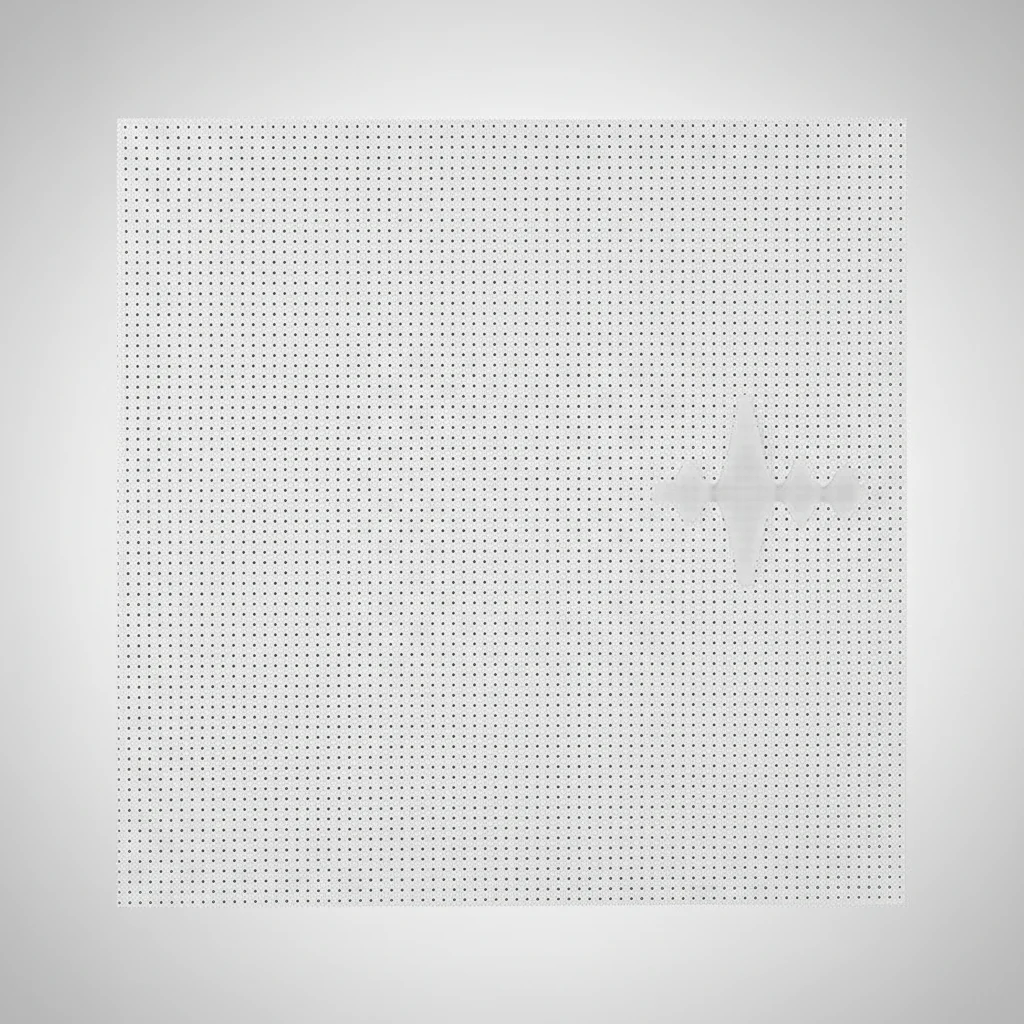
Projector screen perforations are tiny holes in the screen material designed to allow sound to pass through from speakers placed behind the screen. While they offer a clean aesthetic by hiding speakers, these perforations can indeed affect sound quality, primarily by causing a slight attenuation of high frequencies and potentially introducing minor diffraction effects. The impact is generally subtle and often imperceptible to the average listener, especially with modern acoustically transparent materials.
What Are Acoustically Transparent Projector Screens?
Acoustically transparent (AT) projector screens are specifically engineered with micro-perforations or a woven fabric structure that allows sound waves to pass through with minimal interference. This design enables the placement of center channel and front left/right speakers directly behind the screen, creating a more immersive audio-visual experience where sound appears to emanate directly from the on-screen action. The goal is to achieve sonic transparency while maintaining optimal image quality.
How Perforations Impact Sound Transmission
The primary way perforations affect sound is through attenuation, particularly of higher frequencies. The physical material of the screen, even with holes, will absorb or reflect a small portion of the sound energy. While modern AT screens are designed to minimize this, some high-frequency roll-off can occur. Additionally, the edges of the perforations can cause minor diffraction, scattering sound waves slightly. However, reputable manufacturers engineer these screens to keep these effects well within acceptable audiophile tolerances, often requiring specialized audio equipment and trained ears to detect.
Choosing the Right Perforated Screen Material
|
Our Picks for the Best Projector Screen in 2026
As an Amazon Associate I earn from qualifying purchases.
|
||
| Num | Product | Action |
|---|---|---|
| 1 | TOWOND Projector Screen and Stand, 150 inch Indoor Outdoor Projection Screen, Portable 16:9 4K HD Rear Front Movie Screen with Carry Bag Wrinkle-Free Design for Home Theater Backyard Cinema |

|
| 2 | AAJK Projector Screen 150 inch, Washable Projector Screen 16:9 Foldable Anti-Crease Portable Projector Movies Screen for Home Theater Outdoor Indoor Support Double Sided Projection |
|
| 3 | TOWOND Outdoor Projector Screen with stand, 120 inch Portable Movie Screen - 16:9 4K HD Foldable Anti-Crease Projection Screen with Carry Bag for Movie Nights, Camping and Parties Support Double Sided |
|
| 4 | 120inch Outdoor Projector Screen with Stand: 16:9 4K HD Portable Projector Screen Outdoor Indoor - Front/Rear Movie Screen with Carry Bag, Sandbag - Projection Screen for Backyard, Camping, Theater |
|
| 5 | Outdoor Projector Screen with Stand - 120 Inch Portable Projector Screen Indoor and Outdoor Projector Screens 16:9 4K HD Wrinkle Free Lightweight Movie Screen with Carry Bag,Enioy Movie Nights |
|
| 6 | Taotique Projector Screen 72 inch, Movie Projector Screen 16:9 HD Foldable and Portable Anti-Crease Indoor Outdoor Projection Double Sided Video Projector Screen for Home, Party, Office, Classroom |
|
| 7 | 120 inch Projector Screen 2025 Upgraded- Black Backing, Straight Edges, Foldable, Washable and Wrinkle-Free - for Indoor Home Theater and Outdoor Cinema -White 16:9 by IOLIEO |
|
| 8 | TOWOND Projector Screen with Stand, 100 inch Outdoor Projector Screen Portable Indoor Projection Screen 16:9 4K Rear Front Movie Screen with Carry Bag for Home Backyard Theater 100 inch |
|
| 9 | Projector Screen,HUANYINGBJB 4K 16:9 HD Rear Front Projector Screen Foldable Projection Screen Double-Sided Portable Outdoor Indoor Projector Screens for Movie Home Theater (120) |
|
| 10 | Pyle 50 Inch Portable Projector Screen with Tripod Stand – Lightweight, Durable, Easy Pull Setup Mobile Projection Screen with 4:3 Aspect Ratio, White Matte Fabric for Indoor/Outdoor Use |
|
When selecting a perforated screen, consider the size of the perforations and the material’s weave. Smaller, more numerous perforations generally offer better acoustic transparency but can sometimes be more visible from very close viewing distances. Woven materials, on the other hand, often provide excellent acoustic properties with less visible texture. The screen gain and viewing angle are also crucial factors to balance with acoustic performance. Always check the manufacturer’s specifications for acoustic transparency ratings and recommended viewing distances.
- Micro-perforated vinyl: Offers good image quality and decent sound pass-through.
- Woven fabric: Excellent acoustic transparency, often with minimal texture visibility.
- Knit material: Provides a balance of acoustic performance and durability.
- Acoustically transparent ALR: Combines ambient light rejection with sound pass-through.
Compensating for Acoustic Effects
For critical listeners, any minor acoustic effects from perforated screens can often be compensated for through audio calibration. Modern home theater receivers and processors include room correction software (like Audyssey, Dirac Live, or Anthem ARC) that can measure the acoustic response of your system, including the screen’s influence, and apply equalization to correct for any frequency imbalances. This ensures that the sound reaching your ears is as accurate as possible, regardless of the screen type.
Installation Tips for Optimal Performance
Proper installation is key to maximizing both visual and audio performance with a perforated screen. Ensure that speakers are positioned correctly behind the screen, ideally at the same height as the on-screen action for the center channel. Maintain adequate clearance between the speakers and the screen material to prevent any physical contact or unwanted vibrations. For the best results, consider professional installation to ensure precise alignment and optimal acoustic integration.
Get our weekly buyer guide
Practical specs, not advice. Unsubscribe anytime.
