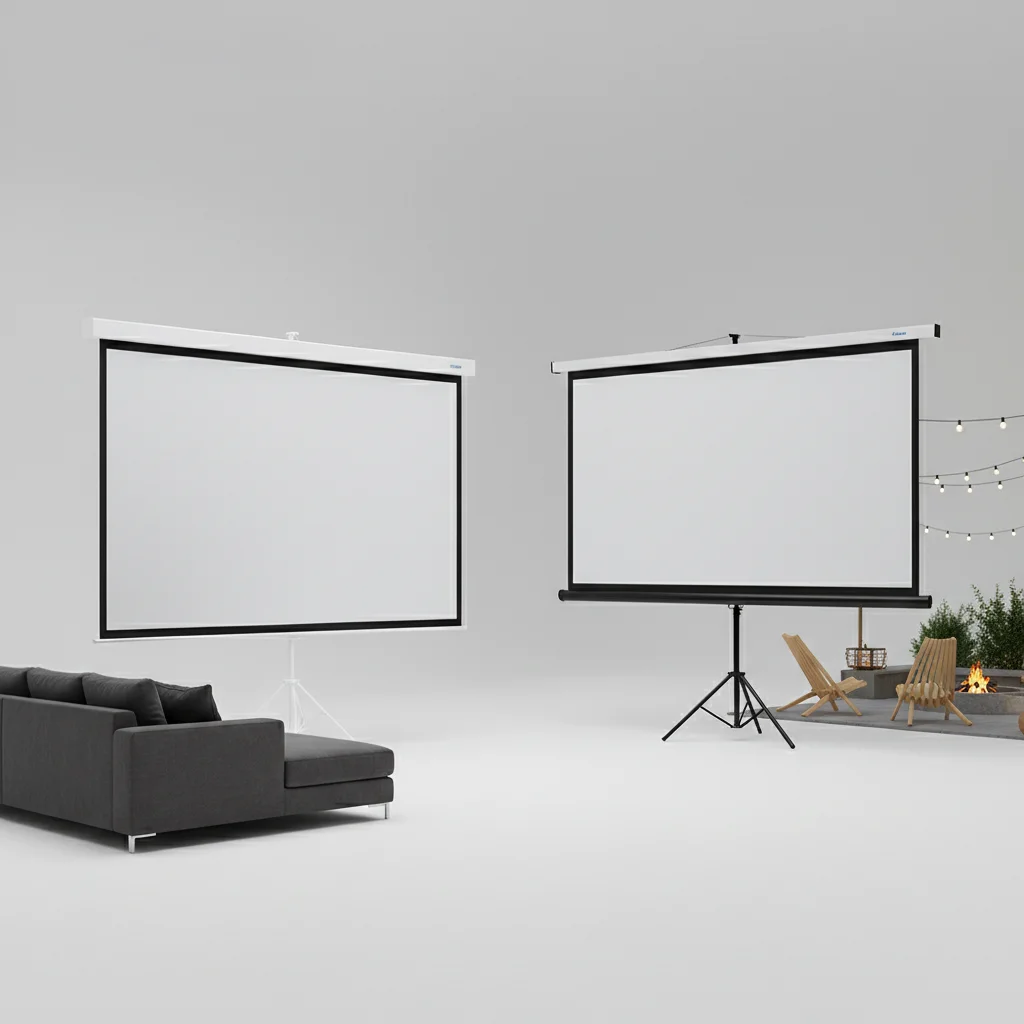
Electric projector screens offer a convenient and often luxurious viewing experience, but their value depends heavily on your specific needs and budget. For many home theater enthusiasts and professional settings, the automated deployment and retraction of an electric screen provide significant benefits over manual alternatives. However, these advantages come with a higher price point and potential installation complexities. This guide will help you determine if an electric projector screen is a worthwhile investment for your setup.
The Convenience of Motorized Operation
One of the primary draws of electric projector screens is their effortless operation. With the touch of a button, the screen smoothly descends or retracts, eliminating the need for manual pulling or pushing. This is particularly beneficial for screens mounted in high or hard-to-reach locations, or for users who frequently deploy and store their screen. The quiet motors in modern electric screens ensure a seamless transition from a hidden state to a ready-to-view display, enhancing the overall user experience.
Beyond simple convenience, motorized screens can integrate with smart home systems, allowing for automated deployment based on specific triggers, such as turning on your projector or dimming the lights. This level of integration creates a truly immersive and hands-free home theater environment, adding a touch of sophistication to your entertainment space.
Installation Considerations for Electric Screens
While the operation is simple, installing an electric projector screen can be more involved than a manual one. These screens require a power source, which might necessitate running new electrical wiring, especially for ceiling-mounted units. Professional installation is often recommended to ensure proper wiring, secure mounting, and optimal screen alignment. The weight of motorized screens can also be greater than their manual counterparts, requiring robust mounting hardware and careful planning to prevent sagging or damage.
Consider the placement of the power outlet and the path for the power cable. Some models offer wireless control options, but they still need a power connection. For a clean aesthetic, many users opt to conceal wiring within walls or ceilings, which adds to the complexity and potential cost of installation.
Durability and Longevity of Electric Screens
|
Our Picks for the Best Projector Screen in 2026
As an Amazon Associate I earn from qualifying purchases.
|
||
| Num | Product | Action |
|---|---|---|
| 1 | Outdoor Projector Screen with Stand - 120 Inch Portable Projector Screen Indoor and Outdoor Projector Screens 16:9 4K HD Wrinkle Free Lightweight Movie Screen with Carry Bag,Enioy Movie Nights |

|
| 2 | AAJK Projector Screen 150 inch, Washable Projector Screen 16:9 Foldable Anti-Crease Portable Projector Movies Screen for Home Theater Outdoor Indoor Support Double Sided Projection |
|
| 3 | 120 inch Projector Screen 2025 Upgraded- Black Backing, Straight Edges, Foldable, Washable and Wrinkle-Free - for Indoor Home Theater and Outdoor Cinema -White 16:9 by IOLIEO |
|
| 4 | Taotique Projector Screen 72 inch, Movie Projector Screen 16:9 HD Foldable and Portable Anti-Crease Indoor Outdoor Projection Double Sided Video Projector Screen for Home, Party, Office, Classroom |
|
| 5 | Projector Screen,HUANYINGBJB 4K 16:9 HD Rear Front Projector Screen Foldable Projection Screen Double-Sided Portable Outdoor Indoor Projector Screens for Movie Home Theater (120) |
|
| 6 | TOWOND Projector Screen with Stand, 100 inch Outdoor Projector Screen Portable Indoor Projection Screen 16:9 4K Rear Front Movie Screen with Carry Bag for Home Backyard Theater 100 inch |
|
| 7 | Pyle 50 Inch Portable Projector Screen with Tripod Stand – Lightweight, Durable, Easy Pull Setup Mobile Projection Screen with 4:3 Aspect Ratio, White Matte Fabric for Indoor/Outdoor Use |
|
| 8 | TOWOND Projector Screen and Stand, 150 inch Indoor Outdoor Projection Screen, Portable 16:9 4K HD Rear Front Movie Screen with Carry Bag Wrinkle-Free Design for Home Theater Backyard Cinema |
|
| 9 | 120inch Outdoor Projector Screen with Stand: 16:9 4K HD Portable Projector Screen Outdoor Indoor - Front/Rear Movie Screen with Carry Bag, Sandbag - Projection Screen for Backyard, Camping, Theater |
|
| 10 | TOWOND Outdoor Projector Screen with stand, 120 inch Portable Movie Screen - 16:9 4K HD Foldable Anti-Crease Projection Screen with Carry Bag for Movie Nights, Camping and Parties Support Double Sided |
|
Modern electric projector screens are designed for durability, with robust motors and high-quality screen materials. The controlled, smooth movement of a motorized system can actually contribute to the longevity of the screen fabric by preventing sudden jerks or uneven tension that can occur with manual operation. Many manufacturers offer extended warranties on their motors, reflecting confidence in their reliability.
However, like any electronic device, the motor is a potential point of failure. While rare, a motor malfunction can render the screen inoperable, requiring repair or replacement. Choosing a reputable brand with good customer support and readily available parts is crucial for long-term satisfaction.
Cost vs. Value: Is the Investment Justified?
Electric projector screens typically come with a higher price tag than manual pull-down or fixed-frame screens of comparable size and material. This increased cost is primarily due to the integrated motor, control system, and more complex manufacturing processes. For budget-conscious buyers, this difference can be significant.
- Enhanced Convenience: Automated deployment and retraction.
- Sleek Aesthetics: Screen can disappear when not in use.
- Smart Home Integration: Connects with home automation systems.
- Consistent Performance: Smooth, even screen tension.
- Professional Look: Adds a premium feel to any space.
The value proposition of an electric screen lies in its convenience, aesthetic appeal, and potential for smart home integration. If you prioritize ease of use, a clean, minimalist look when the screen is not in use, and are willing to invest in a premium experience, then an electric projector screen is likely a worthwhile investment. For those with a tighter budget or who don’t mind manual operation, a high-quality manual screen can offer excellent performance at a lower cost.
Key Features to Look for in Electric Projector Screens
When considering an electric projector screen, several features are important. Look for a quiet motor, especially if the screen will be used in a quiet viewing environment. Remote control options, including RF (radio frequency) for better range and IR (infrared) for direct line-of-sight, are standard. Some advanced models offer 12V trigger integration, allowing the screen to automatically deploy when your projector powers on. Tensioned screens are also a crucial consideration, as they help keep the screen fabric perfectly flat, preventing wrinkles and waves that can distort the image. The material of the screen itself, such as ALR (Ambient Light Rejecting) or high-gain options, should also align with your viewing environment.
Get our weekly buyer guide
Practical specs, not advice. Unsubscribe anytime.
