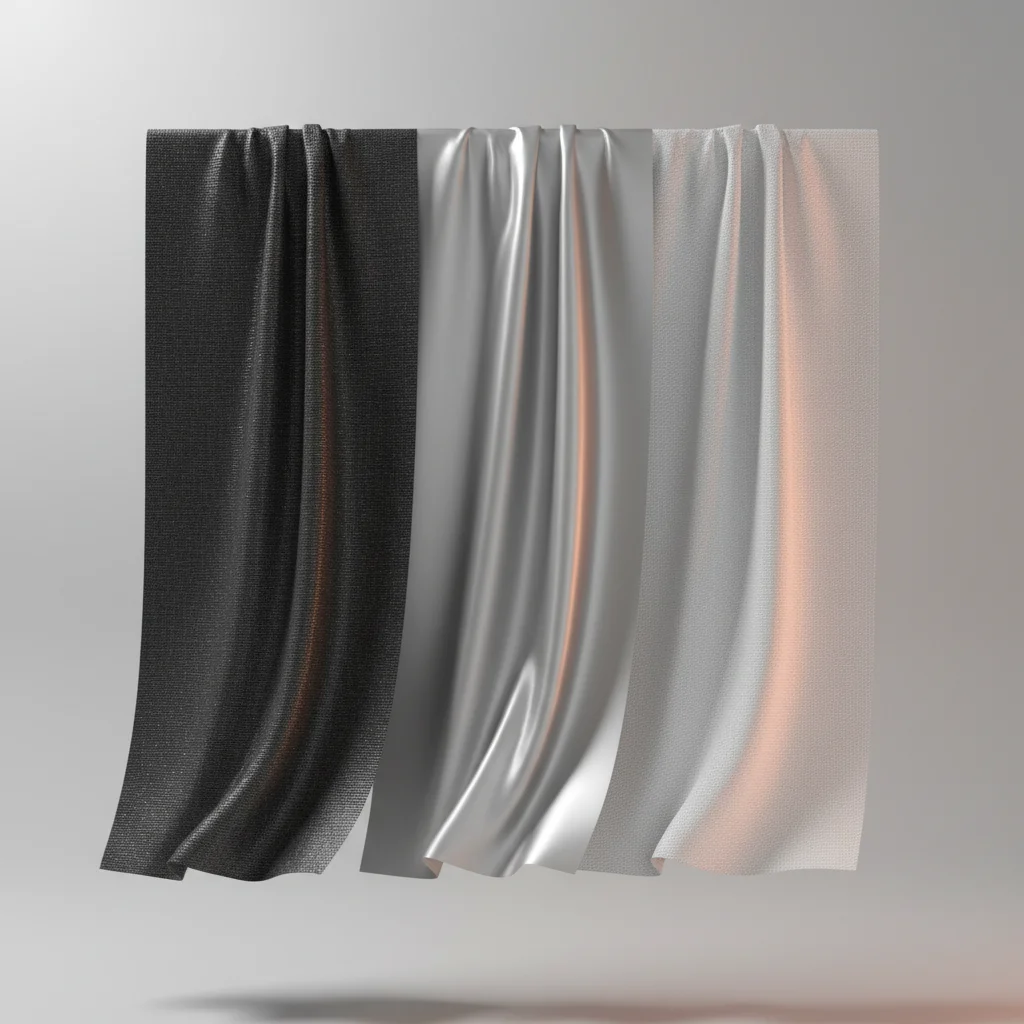
Choosing the right projector screen material is crucial for optimal viewing, especially in rooms with ambient light. The best material for combating ambient light is an Ambient Light Rejecting (ALR) screen, which can improve image contrast by up to 7 times compared to a standard white screen.
Understanding Ambient Light Rejecting (ALR) Screens
ALR screens are engineered with microscopic optical filters that selectively reflect light coming from the projector while absorbing light from other angles. This technology significantly reduces the washout effect caused by room lighting or daylight, preserving the image’s black levels and color saturation. There are two main types of ALR screens: retro-reflective and angular-reflective. Retro-reflective screens bounce light back directly to the source, making them ideal for projectors mounted directly above or below the screen. Angular-reflective screens, on the other hand, reflect light at a specific angle, making them suitable for ultra-short throw (UST) projectors.
High Contrast Gray Screens for Moderate Ambient Light
For environments with moderate ambient light, a high contrast gray screen can be an excellent alternative to ALR. These screens have a lower gain than white screens, meaning they reflect less light overall, but they also enhance black levels and perceived contrast. While not as effective as ALR in bright rooms, gray screens offer a noticeable improvement over white screens and are often more budget-friendly. They work by absorbing some of the ambient light while still providing a good reflective surface for the projector’s image.
The Role of Screen Gain in Ambient Light Conditions
|
Our Picks for the Best Projector Screen in 2026
As an Amazon Associate I earn from qualifying purchases.
|
||
| Num | Product | Action |
|---|---|---|
| 1 | AAJK Projector Screen 150 inch, Washable Projector Screen 16:9 Foldable Anti-Crease Portable Projector Movies Screen for Home Theater Outdoor Indoor Support Double Sided Projection |

|
| 2 | TOWOND Projector Screen and Stand, 150 inch Indoor Outdoor Projection Screen, Portable 16:9 4K HD Rear Front Movie Screen with Carry Bag Wrinkle-Free Design for Home Theater Backyard Cinema |
|
| 3 | TOWOND Projector Screen with Stand, 100 inch Outdoor Projector Screen Portable Indoor Projection Screen 16:9 4K Rear Front Movie Screen with Carry Bag for Home Backyard Theater 100 inch |
|
| 4 | TOWOND Outdoor Projector Screen with stand, 120 inch Portable Movie Screen - 16:9 4K HD Foldable Anti-Crease Projection Screen with Carry Bag for Movie Nights, Camping and Parties Support Double Sided |
|
| 5 | Projector Screen,HUANYINGBJB 4K 16:9 HD Rear Front Projector Screen Foldable Projection Screen Double-Sided Portable Outdoor Indoor Projector Screens for Movie Home Theater (120) |
|
| 6 | 120inch Outdoor Projector Screen with Stand: 16:9 4K HD Portable Projector Screen Outdoor Indoor - Front/Rear Movie Screen with Carry Bag, Sandbag - Projection Screen for Backyard, Camping, Theater |
|
| 7 | Outdoor Projector Screen with Stand - 120 Inch Portable Projector Screen Indoor and Outdoor Projector Screens 16:9 4K HD Wrinkle Free Lightweight Movie Screen with Carry Bag,Enioy Movie Nights |
|
| 8 | Pyle 50 Inch Portable Projector Screen with Tripod Stand – Lightweight, Durable, Easy Pull Setup Mobile Projection Screen with 4:3 Aspect Ratio, White Matte Fabric for Indoor/Outdoor Use |
|
| 9 | Taotique Projector Screen 72 inch, Movie Projector Screen 16:9 HD Foldable and Portable Anti-Crease Indoor Outdoor Projection Double Sided Video Projector Screen for Home, Party, Office, Classroom |
|
| 10 | 120 inch Projector Screen 2025 Upgraded- Black Backing, Straight Edges, Foldable, Washable and Wrinkle-Free - for Indoor Home Theater and Outdoor Cinema -White 16:9 by IOLIEO |
|
Screen gain refers to the reflectivity of the screen material. A gain of 1.0 means the screen reflects light equally in all directions, similar to a matte white surface. Screens with a gain higher than 1.0 are brighter but can have narrower viewing angles. For rooms with ambient light, a lower gain (below 1.0) is generally preferred for ALR and gray screens, as it helps to absorb more stray light and maintain contrast. However, some ALR screens utilize a higher gain in specific directions to maximize projector light reflection while minimizing ambient light interference.
When to Consider a White Screen
While not ideal for ambient light, a matte white screen (gain 1.0) is still the standard for dedicated dark home theaters. In a completely dark room, a white screen provides the most accurate color reproduction and widest viewing angles. If your viewing environment can be fully darkened, a white screen remains a cost-effective and high-performing option. However, if any significant ambient light is present, the image will appear washed out, making ALR or high-contrast gray screens a superior choice.
Key Factors When Choosing Your Screen Material
- Room Lighting: Assess the amount of ambient light in your viewing area.
- Projector Type: Consider your projector’s throw distance (standard, short, ultra-short).
- Budget: ALR screens are generally more expensive than gray or white screens.
- Viewing Angles: Ensure the chosen material supports your desired viewing angles.
- Color Accuracy: Some materials prioritize contrast over absolute color accuracy.
Ultimately, the best projector screen material for ambient light depends on your specific viewing conditions and budget. For the most significant improvement in bright rooms, an ALR screen is highly recommended.For more moderate light, a high-contrast gray screen offers a good balance of performance and value.Always consider your projector’s capabilities and your room’s lighting to make an informed decision.
Get our weekly buyer guide
Practical specs, not advice. Unsubscribe anytime.
