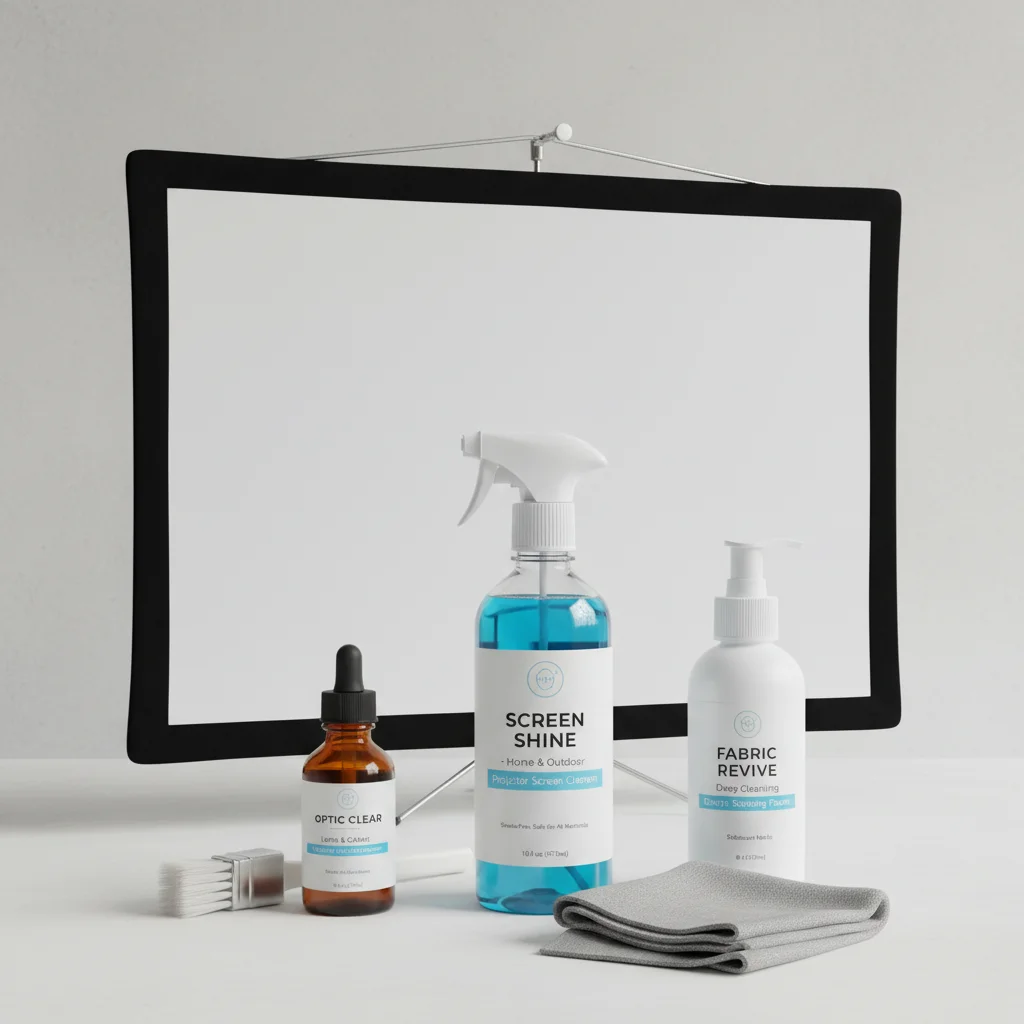
Choosing the right projector screen cleaning solutions is crucial for maintaining picture quality and extending the life of your screen. There are typically three safe and effective types of solutions you can use: distilled water, a mild soap solution, or specialized projector screen cleaners. Using the wrong product can damage the delicate surface, leading to streaks, discoloration, or even permanent marks that degrade your viewing experience.
Why Proper Cleaning Solutions Matter
Projector screens are not like regular walls or windows; their surfaces are often coated with specialized materials designed to enhance light reflection and contrast. Abrasive cleaners, harsh chemicals, or even tap water with mineral deposits can strip these coatings, leaving behind residues or causing irreversible damage. Understanding the composition of your screen material is the first step in selecting an appropriate cleaning agent.
Distilled Water: The Safest Bet
For most light dust and smudges, distilled water is the safest and often most effective cleaning solution. It contains no minerals or impurities that can leave streaks or deposits on your screen. Simply dampen a microfiber cloth with distilled water and gently wipe the screen in one direction, avoiding circular motions. This method is ideal for routine maintenance and preventing buildup.
Mild Soap Solution for Stubborn Marks
|
Our Picks for the Best Projector Screen in 2026
As an Amazon Associate I earn from qualifying purchases.
|
||
| Num | Product | Action |
|---|---|---|
| 1 | TOWOND Projector Screen and Stand, 150 inch Indoor Outdoor Projection Screen, Portable 16:9 4K HD Rear Front Movie Screen with Carry Bag Wrinkle-Free Design for Home Theater Backyard Cinema |

|
| 2 | AAJK Projector Screen 150 inch, Washable Projector Screen 16:9 Foldable Anti-Crease Portable Projector Movies Screen for Home Theater Outdoor Indoor Support Double Sided Projection |
|
| 3 | Projector Screen,HUANYINGBJB 4K 16:9 HD Rear Front Projector Screen Foldable Projection Screen Double-Sided Portable Outdoor Indoor Projector Screens for Movie Home Theater (120) |
|
| 4 | Outdoor Projector Screen with Stand - 120 Inch Portable Projector Screen Indoor and Outdoor Projector Screens 16:9 4K HD Wrinkle Free Lightweight Movie Screen with Carry Bag,Enioy Movie Nights |
|
| 5 | TOWOND Projector Screen with Stand, 100 inch Outdoor Projector Screen Portable Indoor Projection Screen 16:9 4K Rear Front Movie Screen with Carry Bag for Home Backyard Theater 100 inch |
|
| 6 | TOWOND Outdoor Projector Screen with stand, 120 inch Portable Movie Screen - 16:9 4K HD Foldable Anti-Crease Projection Screen with Carry Bag for Movie Nights, Camping and Parties Support Double Sided |
|
| 7 | 120 inch Projector Screen 2025 Upgraded- Black Backing, Straight Edges, Foldable, Washable and Wrinkle-Free - for Indoor Home Theater and Outdoor Cinema -White 16:9 by IOLIEO |
|
| 8 | 120inch Outdoor Projector Screen with Stand: 16:9 4K HD Portable Projector Screen Outdoor Indoor - Front/Rear Movie Screen with Carry Bag, Sandbag - Projection Screen for Backyard, Camping, Theater |
|
| 9 | Taotique Projector Screen 72 inch, Movie Projector Screen 16:9 HD Foldable and Portable Anti-Crease Indoor Outdoor Projection Double Sided Video Projector Screen for Home, Party, Office, Classroom |
|
| 10 | Pyle 50 Inch Portable Projector Screen with Tripod Stand – Lightweight, Durable, Easy Pull Setup Mobile Projection Screen with 4:3 Aspect Ratio, White Matte Fabric for Indoor/Outdoor Use |
|
If you encounter more stubborn marks, such as fingerprints or light grease, a very mild soap solution can be used. Mix a tiny amount (a few drops) of pH-neutral dish soap with distilled water. Dampen a clean, soft microfiber cloth with this solution, wring it out thoroughly so it’s barely damp, and gently wipe the affected area. Always follow up with a second wipe using a cloth dampened with plain distilled water to remove any soap residue.
Specialized Projector Screen Cleaners
Several manufacturers offer specialized projector screen cleaning kits designed to be safe for various screen materials. These cleaners are formulated to remove dirt, dust, and smudges without damaging the delicate surface. Always check the cleaner’s compatibility with your specific screen type before use. While often more expensive, they provide peace of mind and are a good option for those who want a dedicated product. Look for options that are non-abrasive, alcohol-free, and ammonia-free.
- Always use a soft, lint-free microfiber cloth.
- Never spray cleaning solution directly onto the screen.
- Wipe gently in one direction, from top to bottom or side to side.
- Avoid harsh chemicals like window cleaner, bleach, or abrasive solvents.
- Test any new cleaning solution on an inconspicuous corner first.
What to Avoid at All Costs
Never use abrasive materials like paper towels, rough cloths, or sponges, as these can scratch the screen surface. Similarly, avoid household cleaners containing ammonia, alcohol, or harsh detergents, as these can strip the screen’s special coatings, leading to permanent damage, discoloration, or a loss of image quality. Even seemingly innocuous products like glass cleaner can be detrimental.
Get our weekly buyer guide
Practical specs, not advice. Unsubscribe anytime.
